

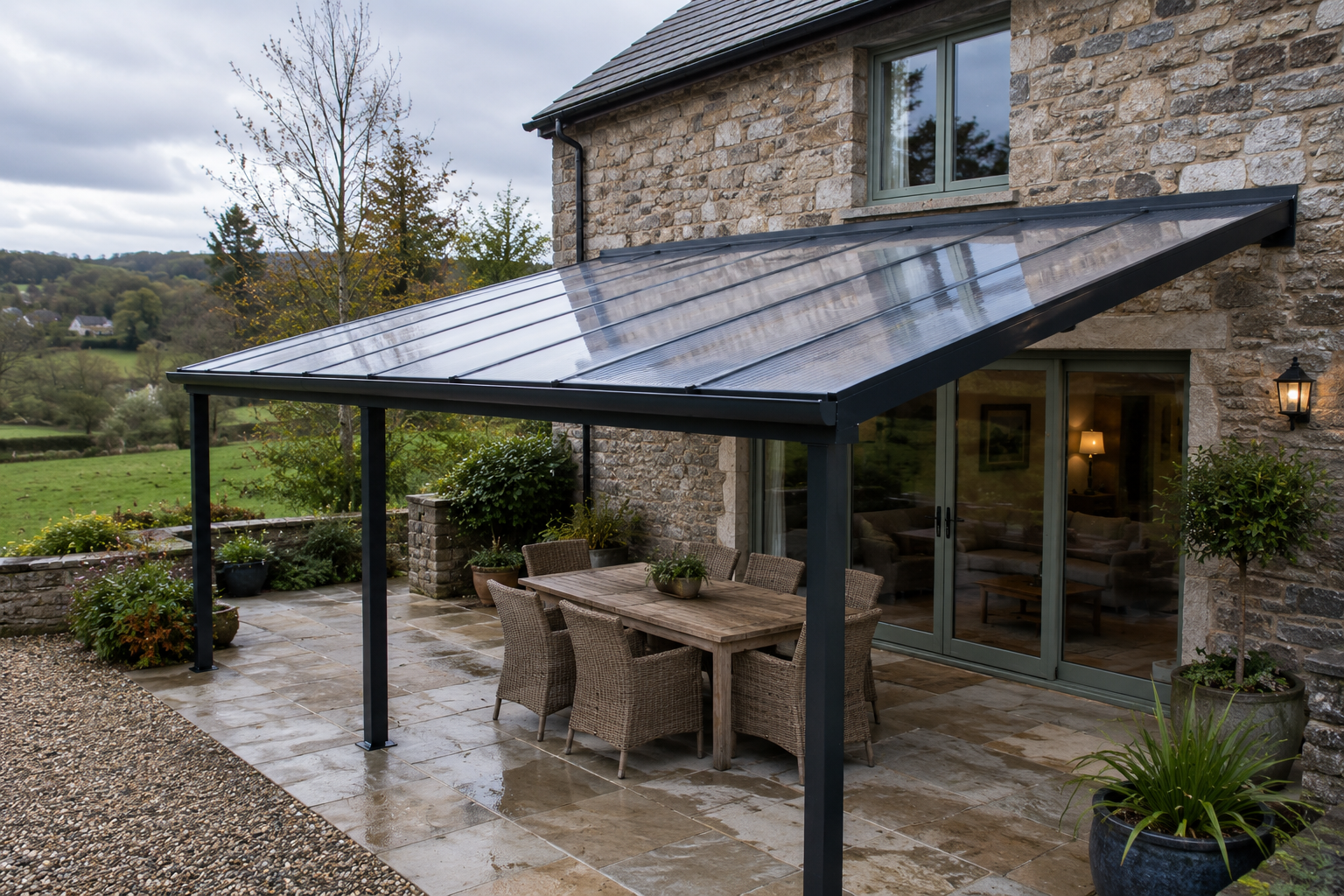
Choosing the right Polycarbonate Sheets can make a significant difference to the durability, performance and long-term value of your project.
Whether you're installing a greenhouse, replacing roofing panels, building a canopy or sourcing materials for commercial glazing, selecting the correct sheet thickness, structure and finish is essential.
This guide explains everything you need to know before buying polycarbonate sheets, including the differences between solid and multiwall sheets, recommended thicknesses, common applications and how to choose the best option for Irish weather conditions.
Why Choose Polycarbonate Sheets?
Polycarbonate has become one of the most popular glazing materials across Ireland thanks to its outstanding strength, lightweight design and excellent weather resistance.
Compared with traditional glass, polycarbonate offers:
- Up to 200 times greater impact resistance
- Excellent UV protection
- Lightweight for easier installation
- High thermal insulation (multiwall sheets)
- Long outdoor lifespan
- Low maintenance
- Outstanding light transmission
These qualities make polycarbonate ideal for both domestic and commercial projects.
Types of Polycarbonate Sheets
Understanding the differences between sheet types is the first step in choosing the right product.
Multiwall Polycarbonate
Multiwall Polycarbonate features internal air chambers that improve insulation while reducing weight.
Best suited for:
- Conservatories
- Greenhouses
- Carports
- Pergolas
- Covered walkways
- Patio roofing
Benefits include:
- Excellent thermal insulation
- Reduced heat loss
- Lightweight construction
- Cost-effective roofing solution
Solid Polycarbonate
Solid Polycarbonate resembles glass but is significantly stronger and safer.
Ideal for:
- Safety glazing
- Machine guards
- Protective screens
- Bus shelters
- Commercial glazing
- Architectural applications
Benefits include:
- Crystal-clear appearance
- Exceptional impact resistance
- Superior durability
- Easy fabrication
Choosing the Right Polycarbonate Sheet Thickness
Different applications require different sheet thicknesses.
| Thickness | Recommended Use |
|---|---|
| 2–4mm | Protective glazing, signs, machine guards |
| 6mm | Small canopies, greenhouses |
| 10mm | Pergolas, patios, roofing |
| 16mm | Conservatories, larger roofing projects |
| 25mm+ | Commercial roofing and high-performance insulation |
When choosing thickness, consider:
- Wind exposure
- Roof span
- Snow loading
- Thermal performance
- Budget
Best Applications for Polycarbonate Sheets
Polycarbonate is incredibly versatile and suitable for a wide variety of projects.
Popular uses include:
Roofing
Polycarbonate roofing sheets provide excellent natural light while protecting against rain and UV exposure.
Suitable for:
- Garden rooms
- Carports
- Outdoor seating areas
- Commercial entrances
Greenhouses
Multiwall sheets help regulate temperature while allowing plants to receive maximum sunlight.
Benefits include:
- Improved insulation
- Reduced condensation
- Excellent light diffusion
Canopies
Polycarbonate creates bright, weather-resistant entrances without the weight of glass.
Industrial Applications
Solid sheets are frequently used for:
- Machine guards
- Safety barriers
- Protective glazing
- Industrial screens
Polycarbonate vs Glass
Many customers compare polycarbonate with traditional glass before making a purchase.
| Polycarbonate | Glass |
|---|---|
| Extremely impact resistant | Can shatter |
| Lightweight | Heavy |
| Easy to install | Difficult to transport |
| UV protected | Varies |
| Better insulation (multiwall) | Lower insulation |
| Safer | Breakable |
For most roofing and glazing applications, polycarbonate delivers better long-term performance and lower installation costs.
Polycarbonate vs Acrylic
Although both materials are transparent plastics, they serve different purposes.
Choose Polycarbonate when you need:
- Maximum impact resistance
- Roofing applications
- Safety glazing
- Outdoor durability
Choose Cast Acrylic when you need:
- Superior optical clarity
- Premium retail displays
- Laser cutting
- Signage
- Fabrication
Understanding the differences helps ensure the best material for your project.
Buying Polycarbonate Sheets in Ireland
Before purchasing, consider the following:
- Project type
- Required insulation
- Sheet thickness
- UV protection
- Sheet dimensions
- Installation accessories
- Warranty
Buying from a specialist supplier ensures you receive the correct material and expert advice for your application.
Frequently Asked Questions
Are Polycarbonate sheets suitable for Irish weather?
Yes. Quality polycarbonate sheets are designed to withstand heavy rain, strong winds and UV exposure, making them an excellent choice for Ireland's changing climate.
Do Polycarbonate sheets turn yellow?
Modern UV-protected polycarbonate sheets are manufactured to resist yellowing and maintain excellent clarity for many years.
Can Polycarbonate sheets be cut?
Yes. Polycarbonate can be cut using standard woodworking tools with the correct blade.
Which is better: solid or multiwall polycarbonate?
It depends on your project.
Choose multiwall for insulation and roofing.
Choose solid when maximum transparency and impact resistance are required.
How long do polycarbonate sheets last?
High-quality polycarbonate sheets can last 15–20 years or more when installed correctly and maintained according to the manufacturer's recommendations.
Why Choose Plastic Solutions?
At Plastic Solutions, we supply a wide range of premium and cost-effective polycarbonate sheets for customers across Ireland.
Our range includes:
- Multiwall Polycarbonate
- Solid Polycarbonate
- Clear Polycarbonate Sheets
- Roofing Sheets
- Bespoke sheet cutting
For customers looking for exceptional value, our bSmart range delivers reliable quality at highly competitive prices, helping homeowners, contractors and trade professionals reduce project costs without compromising performance.
Whether you're working on a DIY improvement or a large commercial installation, our team can help you choose the right solution for your application.
Share:
Acrylic Sheets for Shop Fronts & Retail Displays