

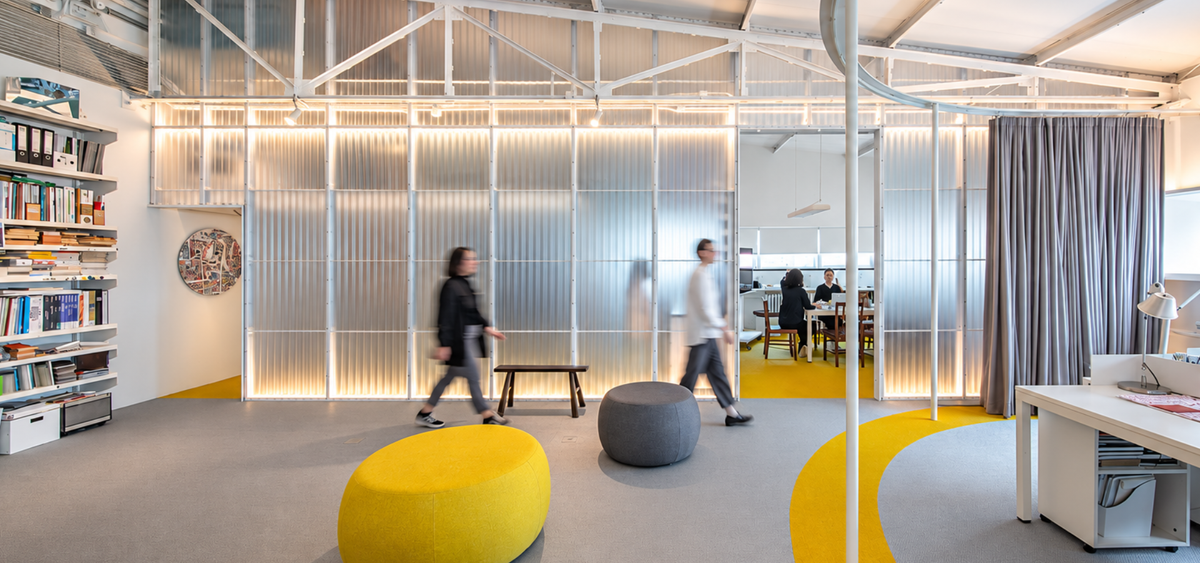
Multiwall polycarbonate sheets offer a lightweight, durable and versatile solution for commercial interior applications where strength, light transmission and long-term performance are key considerations. From internal partitions and privacy screens to rooflights and architectural features, multiwall polycarbonate provides a practical alternative to traditional glazing materials across a wide range of commercial environments.
For construction procurement managers and facilities managers, choosing the right polycarbonate solution is not simply about sheet thickness or price. Material quality, durability, thermal performance, availability and supplier reliability can all influence the overall success and lifetime cost of a project.
Multiwall Polycarbonate Sheets for Commercial Interior Applications
Multiwall polycarbonate sheets feature a structured internal design that combines low weight with excellent strength and rigidity. The multi-layer construction also creates insulating air spaces within the sheet, making the material suitable for projects where thermal efficiency and natural light are important.
In commercial interiors, multiwall polycarbonate can be used for:
-
Internal partitions and room dividers
-
Privacy screens
-
Office and workspace separation
-
Retail and display installations
-
Industrial and warehouse interiors
-
Rooflights and daylighting features
-
Covered walkways and internal roofing
-
Architectural glazing features
The material's combination of durability and light transmission allows designers and contractors to create bright, functional spaces without relying on heavier traditional glazing systems.
Why Choose Multiwall Polycarbonate?
One of the main advantages of multiwall polycarbonate is its balance between weight and performance. Polycarbonate is highly impact-resistant while remaining considerably lighter and easier to handle than glass.
This can provide several benefits during both installation and long-term use, including easier handling on site, reduced structural loading and lower risk of accidental breakage.
For busy commercial environments, durability is particularly important. A robust glazing material can help reduce the need for replacements and ongoing maintenance, supporting better whole-life value for the project.
Light Transmission and Privacy
Multiwall polycarbonate can help commercial spaces make better use of natural daylight while maintaining a degree of visual separation.
This makes it particularly useful for commercial interior applications where designers want to divide spaces without creating completely enclosed or dark environments.
Depending on the specification selected, different sheet colours, finishes and structures can provide varying levels of transparency, diffusion and privacy. Procurement teams should therefore consider how much natural light and visibility are required before selecting a product.
Thermal Performance and Energy Efficiency
The internal structure of multiwall polycarbonate creates air pockets between the sheet layers. These can provide better thermal insulation than a single solid sheet, making multiwall products particularly useful for glazing and roofing applications.
For projects involving polycarbonate roofing sheets, rooflights or areas separating different temperature zones, thermal performance should form part of the product assessment.
Sheet structure and thickness can influence insulation performance, so specifications should be reviewed against the requirements of the individual project rather than selecting a sheet based on price alone.
Durability and Performance Considerations
When assessing multiwall polycarbonate for a commercial project, buyers should consider how the material will perform throughout its expected service life.
Important procurement considerations include impact resistance, sheet thickness, UV protection where applicable, thermal performance, light transmission, fire performance requirements and compatibility with the intended installation system.
The operating environment should also be considered. An internal office partition, for example, may have very different performance requirements from a rooflight or semi-external covered area.
Matching the specification to the application helps reduce the risk of premature replacement, installation problems or unnecessary project costs.
Supplier Selection: What Procurement Teams Should Consider
Effective supplier selection involves more than comparing the initial cost per sheet. Procurement managers should consider whether a supplier can provide consistent product quality, appropriate technical information and reliable stock availability.
Before placing an order, consider:
-
Product specifications and available sheet options
-
Consistency of material quality
-
Stock availability and lead times
-
Available sizes and thicknesses
-
Technical documentation
-
Delivery capabilities
-
Cutting or fabrication services where required
-
Support with product selection
-
Reliability and continuity of supply
For larger commercial projects, reliable availability can be particularly important. Delays caused by unavailable materials can quickly outweigh relatively small differences in the original purchase price.
Procurement Considerations: Price vs Long-Term Value
Price remains an important part of any commercial purchasing decision, but it should be assessed alongside durability and performance.
A lower-cost material that requires frequent replacement, creates installation difficulties or does not provide the required performance can increase the overall cost of a project.
Construction procurement managers should therefore consider the total value of the material, including purchase price, installation requirements, maintenance expectations, expected lifespan and replacement risk.
This approach can make it easier to compare different multiwall polycarbonate sheets and identify the most appropriate specification for both the project and its budget.
Multiwall Polycarbonate for Roofing and Daylighting
While widely used for partitions and glazing, multiwall polycarbonate is also an established choice for roofing and daylighting applications.
Polycarbonate roofing sheets can provide natural light while offering a lightweight alternative to traditional glazing. Applications can include commercial rooflights, canopies, covered walkways, warehouses, workshops and other areas where daylight and weather protection are required.
For roofing applications, the sheet specification should always be selected according to the structural, thermal and environmental requirements of the project.
Choosing the Right Multiwall Polycarbonate Sheets
The right product will depend on where and how the sheet will be used. Factors such as thickness, structure, dimensions, colour, light transmission and thermal requirements should all be considered before ordering.
For procurement and facilities teams, working with an experienced supplier can simplify this process by providing access to suitable specifications, consistent stock and the supporting information required to make an informed purchasing decision.
Whether the project involves commercial interior applications, partitions, rooflights or polycarbonate roofing sheets, selecting the right multiwall polycarbonate product can provide a strong combination of durability, practicality and long-term performance.
Share:
Polycarbonate Sheets in Ireland: Complete Buyer's Guide